
Ocoee Neighbor Records by Block
A block lookup combines public sources with different strengths. The parcel map defines the physical set of lots. The tax roll names an owner and mailing destination. Plats explain subdivision boundaries, and permits show work at an address. A lawful voter extract can group registrations by residence street, but the state's self-lookup form cannot be used to browse a block.
| Source | Block Detail Available | Access Route |
|---|---|---|
| OCPA WebMap and NearBy Properties | Touching and nearby parcels, boundaries, and links to owner records | Free web map; nearby search advertised within 250 feet |
| OCPA property roll | Owner, situs, mailing address, parcel ID, land use, and sales | Free online search; archived rolls by request |
| Public voter extract | Registrations grouped by residence street, with protected entries omitted | State disk request or county records request |
| Deeds and plats | Subdivision, lot and block, ownership history, and HOA declarations | Orange County Official Records |
| Ocoee permits and code files | Public work, inspections, final orders, or liens at nearby addresses | SAGE portal and city records request |
| Neighborhood organizations | Public officers and contact channels, not a guaranteed resident roster | City information, recorded declarations, and corporate filings |
These records show ownership, registration, or public activity. They do not establish every person who lives behind a door. A parcel may belong to a trust or company, and the owner's mailing address may point elsewhere.
Map Ocoee Neighbors Within 250 Feet
The OCPA WebMap is the most direct way to define an immediate block. Locate the subject address, zoom until parcel lines show, click the subject polygon, and open its property detail. Then click each touching lot and the parcels opposite it. OCPA also advertises NearBy Properties within 250 feet. That radius is a repeatable geographic method, though it is not a social definition of who counts as a neighbor.
- Search the full street address and confirm the parcel's situs address.
- Keep the road, parcel outlines, and subject parcel visible at the same zoom.
- Open each touching and opposite parcel, recording parcel ID, owner, and situs.
- Use the property detail to distinguish the owner's mailing address from the block address.
- Pan only as far as the chosen block or 250-foot radius, then stop consistently.
The map can also show aerials, municipal limits, zoning, land use, flood areas, and taxing districts when those layers are enabled. A printed or exported map is a research snapshot, not a certified record. For a full named road rather than the immediate radius, use the Ocoee street directory workflow.
Map rule. A postal Ocoee label does not prove city jurisdiction; confirm the municipal boundary before requesting records from City Hall.
Owners Are Not All Ocoee Neighbors
The OCPA parcel card lists the assessed owner and separates the property's physical, or situs, address from the owner's correspondence address. That difference is useful, but it must be read with care. It can reflect an owner who lives elsewhere, a trust, an estate, a seasonal address, or a mailing preference. Homestead exemption is consistent with owner occupancy. It still does not name a spouse, child, roommate, renter, or other household member.
- Parcel
- A mapped unit of land with its own county identifier.
- Situs address
- The physical taxable location of the parcel.
- Mailing address
- The place selected for notices to the owner.
- Plat
- A recorded map that divides land into subdivisions, lots, blocks, roads, and easements.
For Ocoee neighbors, state the narrow fact each source proves. “The tax roll names this owner” is sound. “This person lives here” needs separate support and may still omit most of the household.
Ocoee Voter Data by Street
Florida makes many voter-registration fields public, including name, address, date of birth, party, phone, and email once filed, subject to exemptions. Social Security numbers, driver or state identification numbers, and the application source cannot be released. A signature may be viewed but not copied. Address Confidentiality Program participants and eligible protected professionals can have address data suppressed.
The Florida Voter Information Lookup requires first name, last name, and date of birth and is intended for a voter's own status check. It is not an open neighbor browser. A block study instead requires a lawful public extract. Statewide extracts are produced monthly, delivered on physical disk, and standing requests expire each calendar year. Orange County Supervisor of Elections is the local source for precinct questions, corrections, and historical county extracts.
Filter a released extract by residence street only after respecting its protected fields. Registration shows an administrative record, not who was physically present on a given day. Inactive status also does not prove a person moved from the block.
Note: Voting history records participation in an election, never how an Ocoee resident voted.
Find Ocoee Neighborhood Organizations
The City of Ocoee neighborhood information is the starting point for community contacts. Planned communities and older downtown or lake neighborhoods may use public-facing association or management channels. Private homeowners associations usually publish board or management contacts, not resident lists. No verified comprehensive public inventory of Ocoee member directories was found, so an association's existence must never be presented as proof that its roster is public.
Recorded Declaration
Search Orange County Official Records by association or subdivision name for covenants and amendments.
Corporate Filing
Search Sunbiz for the association's status, registered agent, and publicly filed officers.
City Information
Use Ocoee's neighborhood page for public community information and city contact channels.
Marketing names can differ from recorded subdivision names. Copy the subdivision, lot, and block from the OCPA parcel card before searching a declaration. Sunbiz can also identify civic, church, cemetery, and fraternal corporations, but it is an organizational directory rather than a membership roll.
Official Ocoee Rolls Versus Tools
Commercial neighbor tools may merge names, phone numbers, and addresses from many sources. Their speed does not make the result current or authoritative. Official records are narrower, but each field has a named custodian and a defined meaning. Verify a claim at its source instead of treating a compiled profile as a household roster.
| Question | Official Source | Commercial Category |
|---|---|---|
| Which parcel surrounds the address? | OCPA WebMap supplies mapped boundaries | May use a rough point or stale boundary |
| Who owns the parcel? | OCPA roll names the assessed owner | May merge an old owner with a current address |
| Does an HOA exist? | Recorded declaration and Sunbiz filing show public organization facts | May infer an association without current filing context |
| Who lives in the household? | No complete public household roll exists | May imply completeness it cannot prove |
Correct errors at the source record first. If a commercial service repeats the error, use its privacy or removal route, share no more identity data than needed, retain confirmation, and check again later.
Use Ocoee Safety Records Narrowly
Official custody and registry records answer limited public-safety questions. They are not a general list of Ocoee neighbors, and a charge is not a conviction. The Orange County current inmate database concerns current county custody. The Florida Department of Corrections search covers state prison and supervision records. The FDLE offender and predator search is limited to people within its statutory registry.
The captured Orange County search shows the official route for checking current custody.
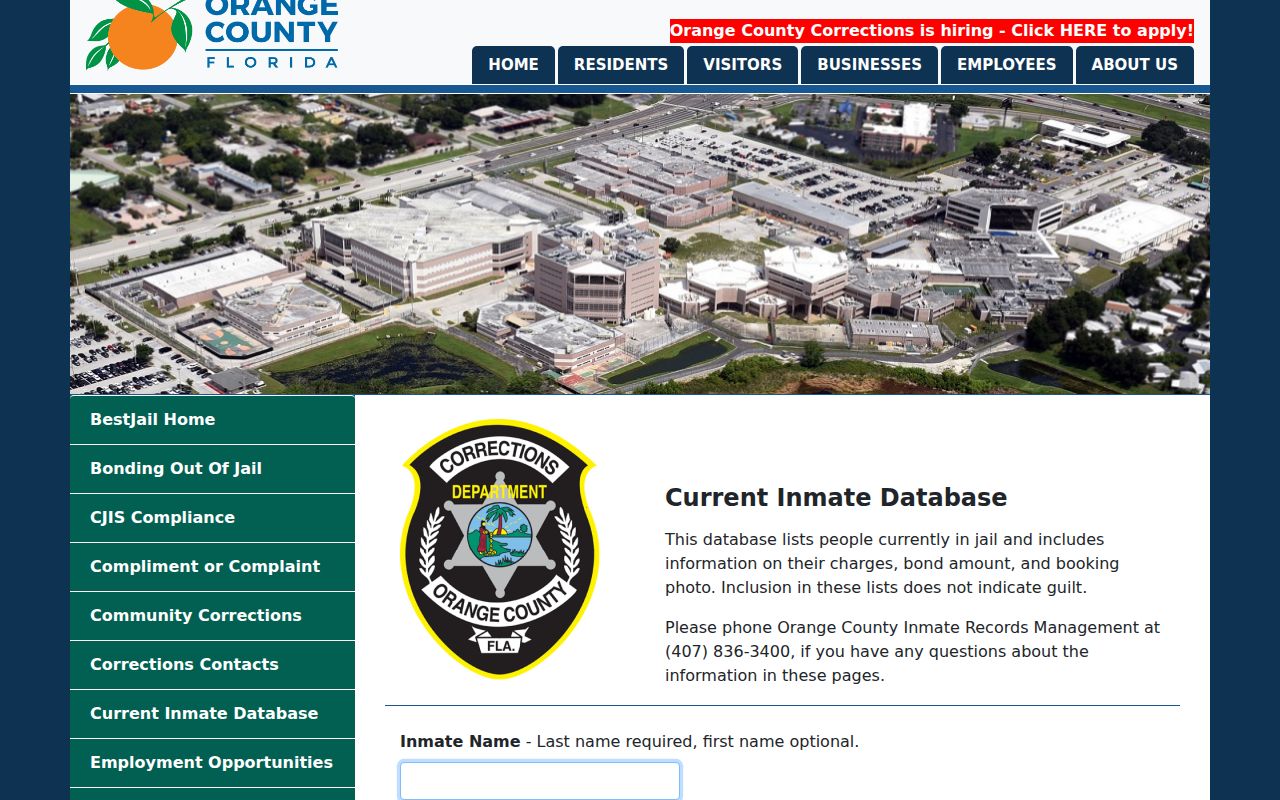
Read booking, charge, bond, and release fields in context; the database does not establish guilt or a full address history.
The state corrections search is a separate system.
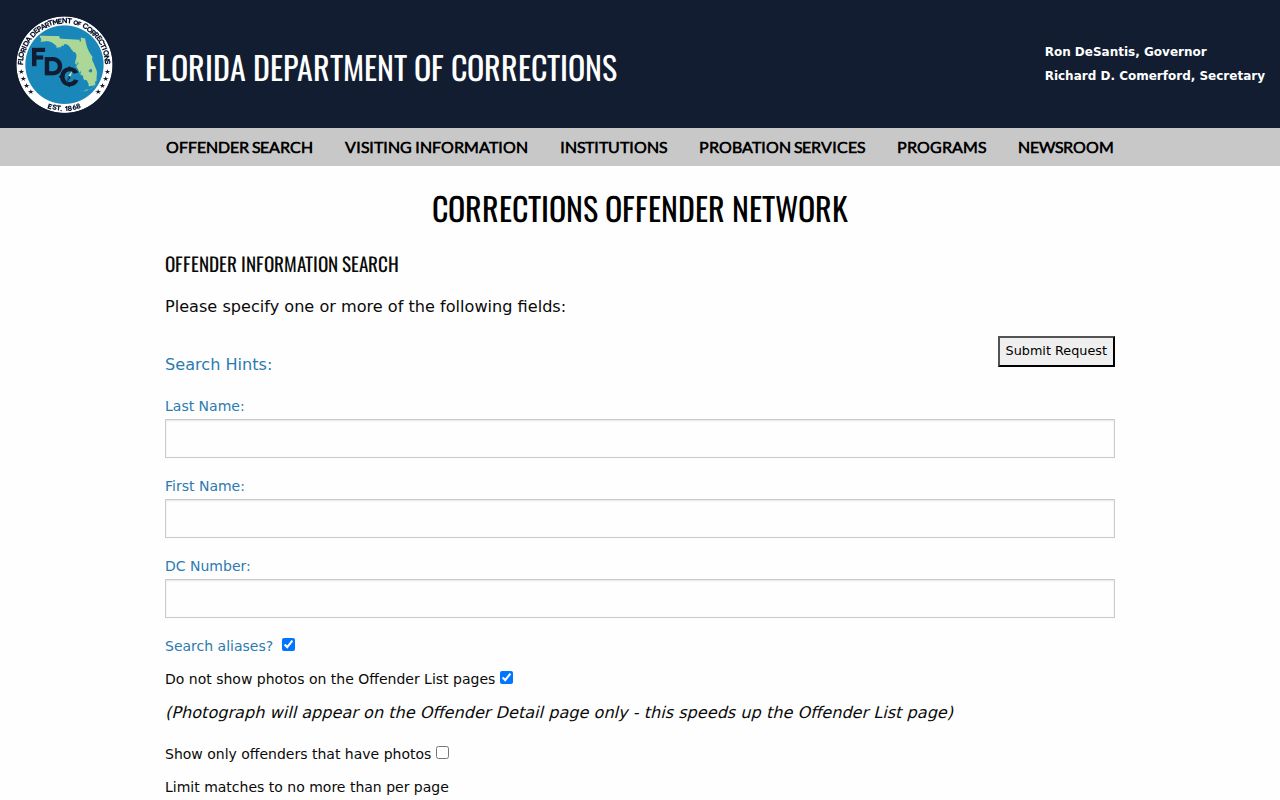
It should not be used to infer that every person with an Ocoee tie lives on the block now.
The FDLE registry search includes official name and map modes.
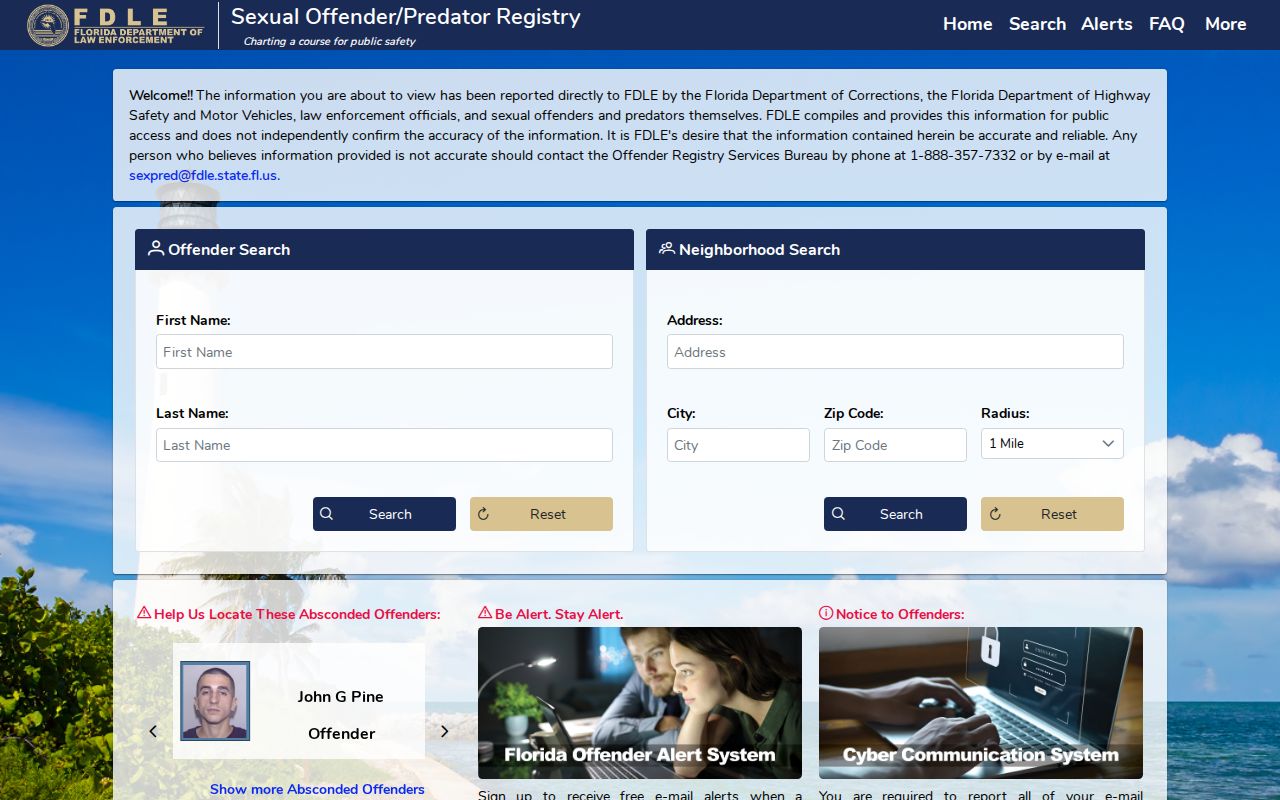
FDLE expressly bars use of registry information to commit a crime or harass anyone.
Protect Ocoee Neighbors From Misuse
Block research can support civic curiosity, reunions, property questions, and personal safety. It also carries a duty to avoid harm. Florida's Address Confidentiality Program supplies substitute addresses for qualifying survivors of domestic violence or stalking. Other high-risk professionals may request agency-specific exemptions. Utility accounts, motor-vehicle address data, private congregation lists, and voluntary watch rosters are not public neighbor directories.
Public records can also help check a suspicious claim without confronting anyone. Florida Treasure Hunt is the official unclaimed-property name search; a match is a clue to an old address or affiliation, not current residence. Report an impersonation or fraud pattern through the federal reporting channel, and use a known phone number to confirm a family-emergency story.
The Florida Treasure Hunt capture shows the state-run search route.
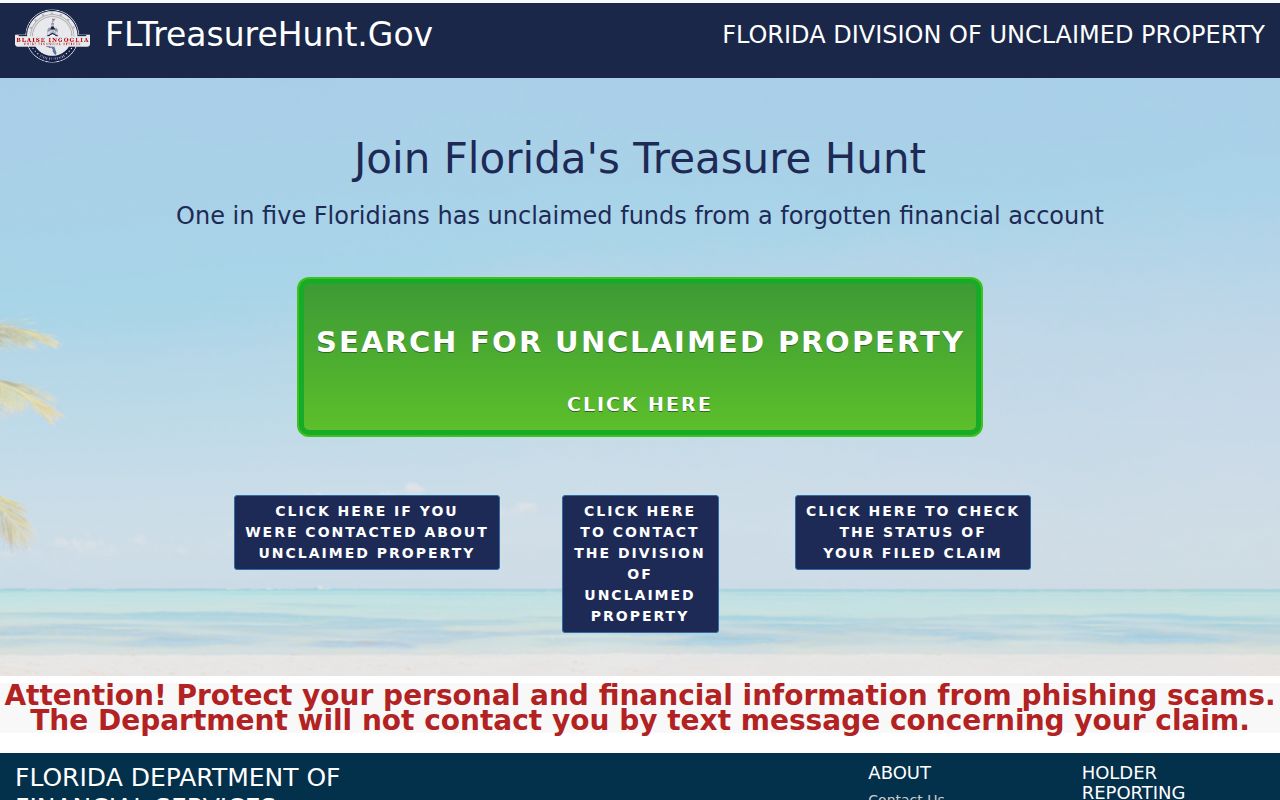
Claims are free through the state, and the result should never be treated as proof of present occupancy.
The FTC fraud reporting portal is the official channel for a suspected imposter pattern.
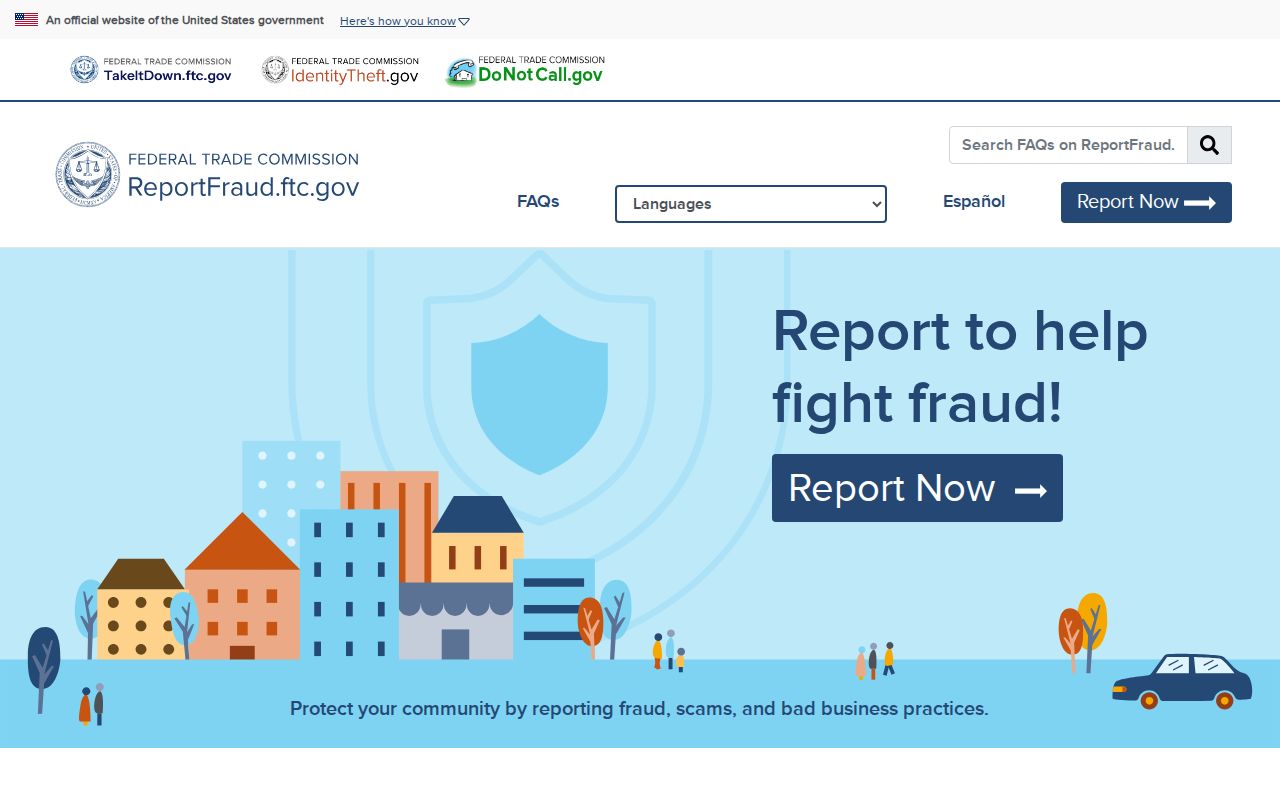
Use it for reports, not as a source of names or neighborhood records.
Lawful use. Use Ocoee neighbor records for a legitimate personal purpose. Never watch, threaten, expose, or harass a person, especially when an address is protected.